
Have you ever spent time preparing your child’s meal, only to have them turn it away and ask for a snack instead? If that sounds familiar, you’re not alone.
You carefully plan and cook nutritious meals, but when the plate comes back untouched, it can feel disheartening – and leave you wondering how to get your toddler to actually eat their food.
As a Paediatric Dietitian and a parent, I completely understand how frustrating this can be.
There are many reasons why toddlers gravitate towards snacking – ranging from taste preferences and increased energy needs to fussy eating tendencies. Understanding the why behind their snacking habits can help you support their nutritional needs and create a more positive mealtime environment.
In this blog, I’ll share practical strategies to help reduce constant snacking and encourage more interest in main meals.
Why Toddlers Love Snacks
Toddler snacks come in fun shapes, vibrant colours, and sweet or salty flavours that naturally appeal to young taste buds. On top of that, snacks are often served without pressure, letting toddlers feel in control of how much they eat – something that’s especially attractive to their growing sense of independence.
But concerningly, many packaged toddler snacks are high in added sugar, salt and fats, and often contain artificial ingredients and chemicals that aren’t ideal for developing bodies (1).
Snacks can also be surprisingly filling. If your toddler is used to eating one shortly before a meal, it’s no surprise they refuse their lunch or dinner – they’re simply not hungry any more.
The Problem with Snack-Only Diets
Most commercial toddler snacks lack key nutrients like protein, fibre and iron (2). Because they’re less satisfying, toddlers can eat a large quantity without feeling full, leading to overconsumption and poor nutrient intake overall.
Frequent snacking also disrupts your toddler’s natural appetite regulation (3). When children graze throughout the day, they miss out on experiencing true hunger and fullness. Over time, this blunts their internal cues, making it harder for them to listen to their bodies.
As a result, many toddlers arrive at the table uninterested in food, which can quickly lead to mealtime power struggles. You might find yourself negotiating, bribing, or pressuring them to eat – turning meals into a stressful experience rather than a pleasant one.
The good news? You can reset the pattern.
How to Gently Shift From Snacks to Structured Meals
Here are simple, parent-friendly strategies to build structure back to your toddler’s eating routine:
- Create a predictable routine
- Offer meals and snacks every 2 to 2.5 hours. This helps toddlers build an appetite and understand when to expect food.
- Make snacks feel like mini meals
- Include a mix of carbohydrates, protein, and fibre – like fruits with cheese, or toast with peanut butter – to keep them satisfied longer.
- Limit ultra-processed “easy wins”
- Avoiding offering snacks like biscuits, crisps, or fruit pouches between meals, as these can blunt appetite and displace nutritious foods.
- Don’t offer replacements
- If a meal is refused, calmly moved to the next scheduled eating time without offering an alternative. This reinforces routine and appetite regulation.
Making Meals More Toddler-Friendly
To help meals feel less overwhelming and more engaging:
- Serve a preferred or safe food with each meal alongside new or less-preferred foods.
- Keep portions small to reduce pressure and increase confidence.
- Use fun presentation – bento boxes, divided plates, or muffin tins can add novelty.
- Let your toddler help choose between two food options or serve themselves when possible.
Be Consistent and Patient
It can take 15 or more exposures before a toddler accepts a new food. Progress is rarely immediate – but with patience, it will come.
- Avoid pressure, bribing, or coaxing. Instead, focus on repeated, low-pressure exposure.
- Celebrate small wins, even if they just touch or smell the food.
- Keep meals relaxed and positive – connection matters just as much as nutrition.
Conclusion
Snack-heavy habits are incredibly common in toddlers – but they’re not set in stones. With consistent routines, balanced snacks, and a supportive approach at mealtimes, you can gently guide your toddler back to enjoying main meals and building lifelong healthy habits.
You’re doing your best – and these small steps can make a big difference.
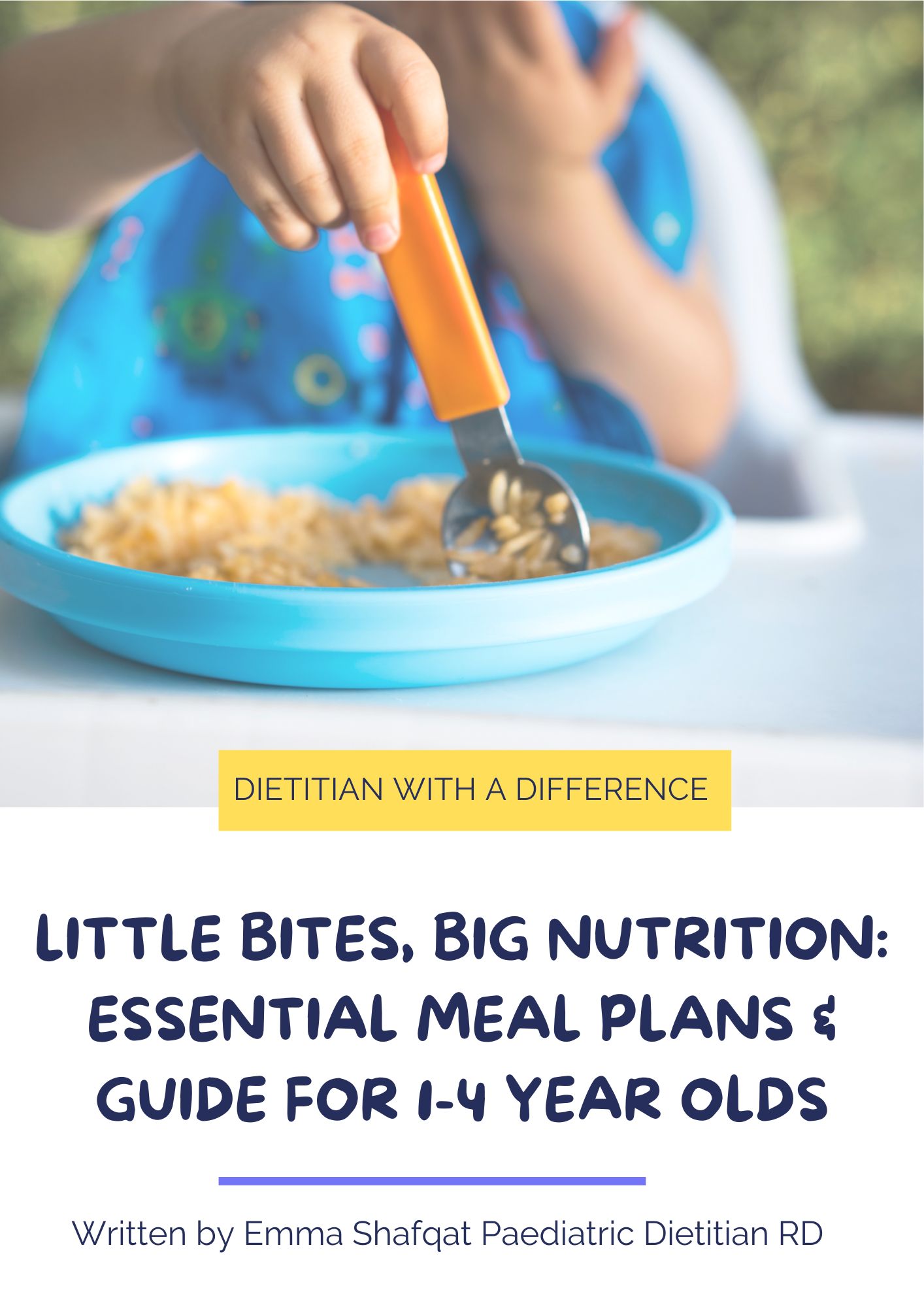
If you love more ideas for snacks and meals – grab my Meal Plans and Nutrition Guide for 1-4 years old.
Written by Ming Yan Li, Kirsty, Student Dietitian and edited by Emma Shafqat BSc RD, Dietitian and Feeding Therapist
“Dietitian with a Difference” holds no liability for any adverse reactions that may arise from the advice in the blog. The content provided is for informational purposes only and does not replace professional medical advice.