
What Is The National Diet and Nutrition Survey (NDNS)
The National Diet and Nutrition Survey is an ongoing study that looks at what people in the UK eat and drink, as well as their overall nutritional health. By gathering information from households across the country, it helps us understand how diets are changing and what that means for our wellbeing.
For parents, the NDNS is a valuable resource: it highlights how children of different ages are eating, what nutrients they might be missing, and how their habits could shape their future health.
In this article, we’ll explore the latest findings from 2019 to 2023 and share the most important takeaways to help you make informed choices about your child’s diet.
What Children Are Eating: Key Findings
Falling Short On The Basics
We all know that fruits and vegetables are packed with vitamins and fibre that children need for healthy growth and energy. The UK’s ‘5-A-Day’ guideline recommends that we should have at least 5 portions a day – but according to the latest NDNS data, children aged 11 to 18 years were only getting about 2.8 portions on average, and fewer than one in ten were hitting the target.
Sugary drinks are another concern. Among 11-18 year olds, the average intake was 124mls a day, and some children were drinking over 600mls daily – that’s more than half a litre.
Saturated fat is also creeping in above healthy limits. Even though experts recommend keeping it to no more than 10% of daily energy, it accounted for about 12.5% of young people’s diets.
Worrying Nutrient Gaps
The report also points to some important nutrients that children were missing: vitamin D, iodine, and folate.
- Vitamin D keeps bones strong and supports a healthy immune system, yet 10% of 4-10 years olds and 23% of 11-18 year olds weren’t getting enough (the target is 10µg a day).
- Iodine, found in seafood, dairy, and eggs, is vital for growth and thyroid function – but many girls aged 11 to 18 years weren’t meeting their needs.
- Folate (a B vitamin) is essential for healthy brain and nervous-system development, making it an important nutrient to include in your child’s diet. Yet, 12% of children aged 11 to 18 years were found to have low folate levels.
What’s Going Well
It’s not all bad news – the report also shines a light on some positive trends:
- Less red meat on the plate: Children were eating less red meat on average, which is a healthy step towards a more balanced diet.
- Younger children drinking fewer sugary drinks: Children aged 4 to 10 years were having about half as many sugary drinks as their older peers – a great start for building healthier habits early on.
- School lunches making a difference: Many children were enjoying cooked school meals, with 58% of 4-10 years olds and 48% of 11-15 year olds opting for them.
These small wins show that progress is happening, and with steady encouragement, families can build on those good habits.
Why This Matters For Parents
What our children eat today shapes their health for years to come. A balanced, nourishing diet supports their growth, boosts energy, and keeps both body and mind strong. Research shows that healthy meals can make a real difference to children’s learning, focus, and emotional wellbeing.
On the flip side, missing out key nutrients can affect concentration, immunity, energy levels, and even growth. That’s why helping children build healthy eating habits now is one of the best gifts we can give them for the future.
Simple Ways to Improve Children’s Diet
Here are some practical ideas you can try at home. Pick the ones that work best for your family – even small changes can make a difference over time:
- Add fruit or veg to every meal – fresh, frozen, or tinned (in juice or water) all count.
- Switch to low-sugar drinks – water, milk, or no-added sugar options can help keep free sugar in check.
- Boost fibre – mix in lentils, beans, or wholegrains when you’re cooking pasta, soups, or casseroles.
- Include key nutrients – food rich in vitamin D, folate, and iodine are great choices. If you’re thinking about supplements, check with a healthcare professional first.
- Support healthy lunches – where possible, pack a balanced lunchbox; if buying food, help your child learn to read the “traffic light” labels so they can make informed choices.
- Save money and time – try batch-cooking and freezing meals, or stock up on tinned and frozen produce for quick, affordable options.
Remember, it’s not about perfection – just taking steady steps towards balanced, nourishing meals.
The Bigger Picture: What Needs to Change
Helping children eat well isn’t just about willpower – it’s about having the right support around families. A healthy food environment makes good choices easier for everyone. Schemes such as food vouchers, free supplements, and access to affordable fruit, vegetables, and fortified foods can make a real difference, especially for families on tighter budgets.
Improving children’s diets is something we all share responsibility for – from parents and schools to food retailers and policymakers. When we work together, it’s easier for every child to have the nourishment they need to grow, learn, and thrive.
A Call to Action
The NDNS 2019-2023 report highlights encouraging progress as well as areas where children’s diets can be strengthened. The good news is that small, steady steps – like adding an extra portion of vegetables, or swapping sugary drinks for water – can make a big difference over time.
If you’re ever unsure about your child’s nutrition or growth, it’s always a good idea to speak with a registered dietitian for tailored advice.
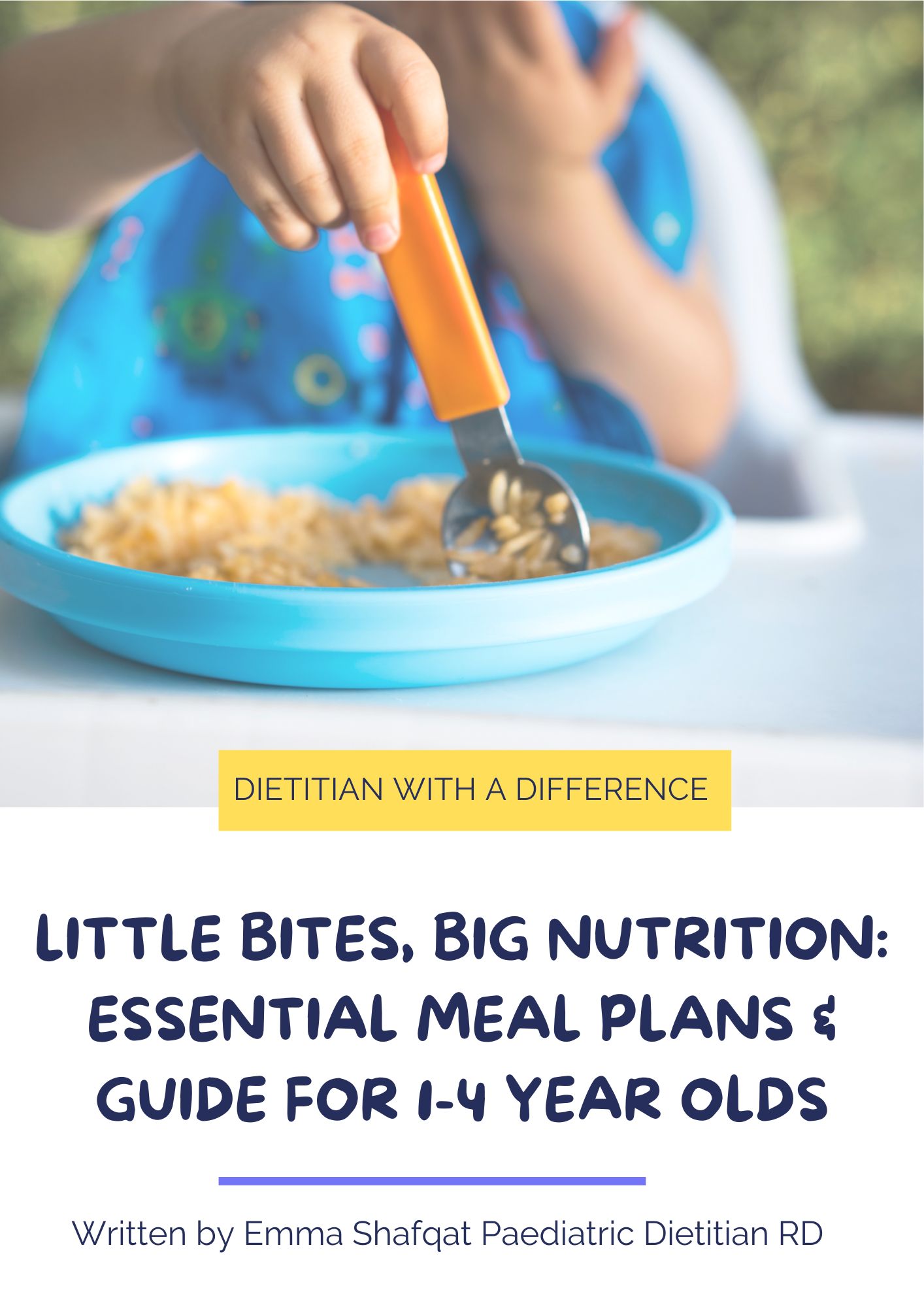
For more guidance on supporting healthy eating for children, check out my Nutrition and Meal Plan Guide for 1-4 years old.

Written by Ming Yan Li, Kirsty, Student Dietitian and by Emma Shafqat BSc RD, Dietitian and Feeding Therapist
“Dietitian with a Difference” holds no liability for any adverse reactions that may arise from the advice in the blog. The content provided is for informational purposes only and does not replace professional medical advice.